Our Roots

About Sylhet, Bangladesh

Nestled in the north-eastern corner of Bangladesh, Greater Sylhet is a region renowned for its rich spiritual heritage, lush green tea estates, distinctive wetlands, and vibrant global diaspora. Historically known as the Surma Valley, the region was administered as a unified district during British rule. In 1984, as part of an administrative decentralisation programme, it was divided into four separate districts: Sylhet, Sunamganj, Habiganj, and Moulvibazar.

A Brief Tapestry of Greater Sylhet's History

Ancient & Medieval Eras:

In ancient times, the region was made up of independent petty kingdoms like Gaur, Laur, and Jaintia.

A turning point occurred in 1303 CE with the arrival of the revered Sufi saint Hazrat Shah Jalal (R) and his 360 companions. Their teachings profoundly shaped the spiritual and cultural landscape, transforming Sylhet into a major spiritual hub.

Mughal & British Colonial Rule:

Incorporated into the Mughal Empire in 1612, Sylhet served as an important eastern frontier post.

Under British rule (starting in 1765), Sylhet became famous for its commercial enterprise—most notably launching South Asia’s first commercial tea estate, the Malnicherra Tea Estate, in 1854.

Strategically transferred between Bengal and Assam for administrative convenience during the 19th and 20th centuries, the region eventually joined East Pakistan following the historic 1947 Sylhet Referendum, before becoming an integral part of independent Bangladesh in 1971.

The Four Heartbeats of Greater Sylhet –

1. Sylhet (The Spiritual & Urban Center)

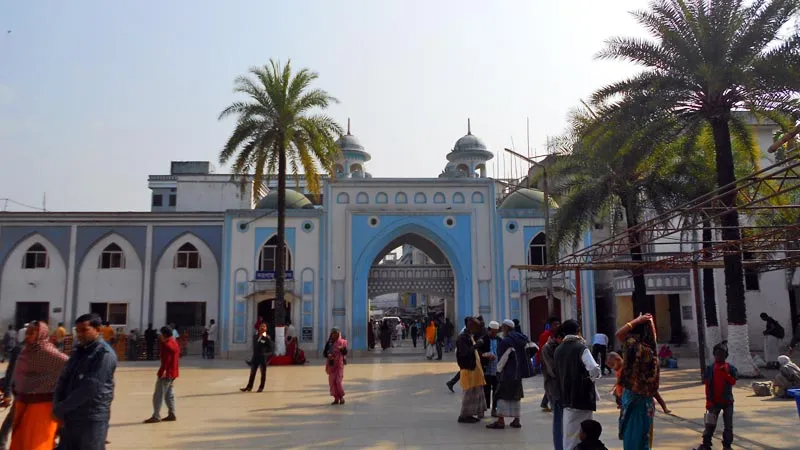
The Legacy: Serving as the central administrative and economic hub, Sylhet is world-famous as the home of the shrines of Hazrat Shah Jalal (R) and Hazrat Shah Paran (R).

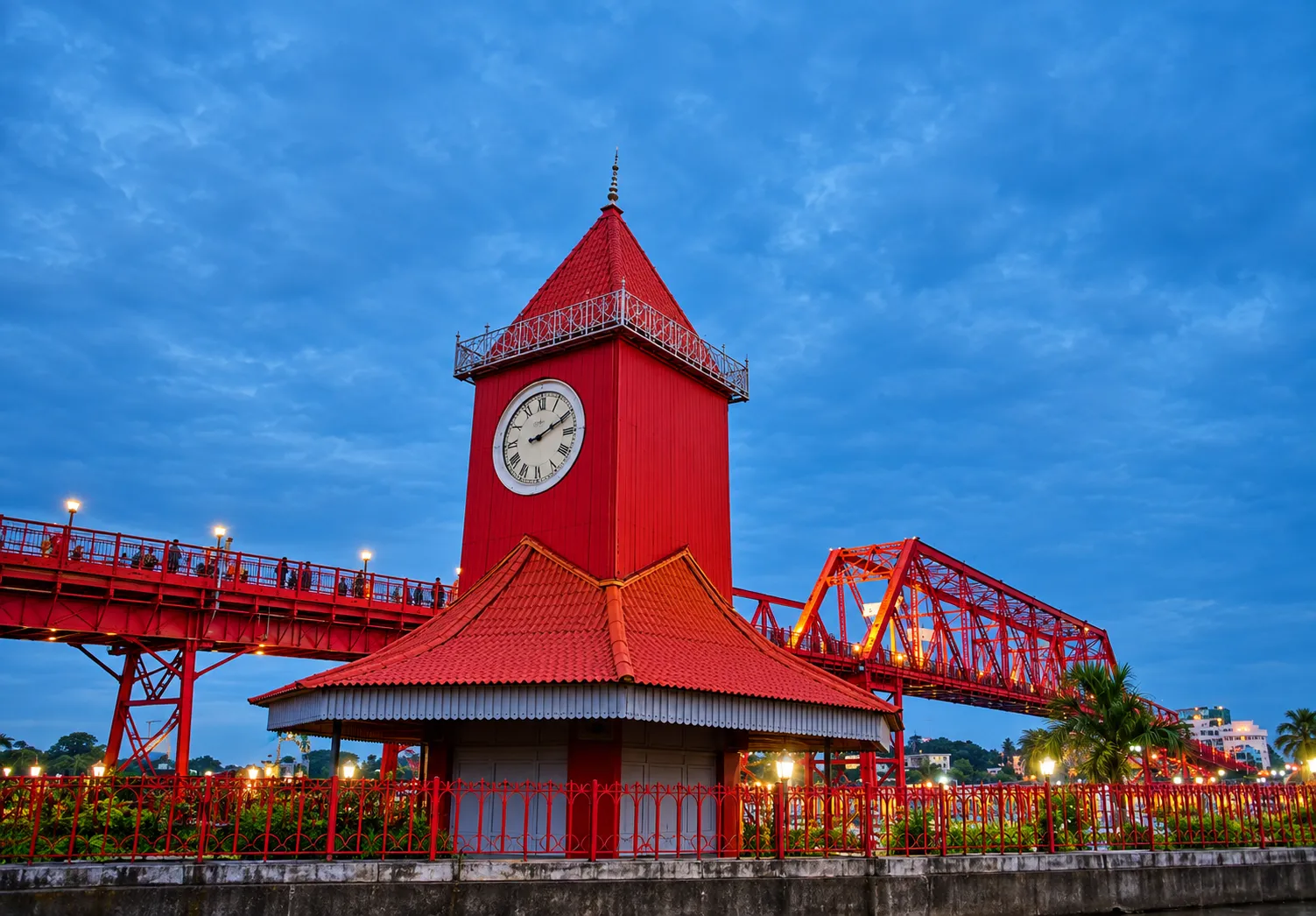
Landmarks: Home to iconic sites like the Keane Bridge, Ali Amjad’s Clock Tower, and prestigious educational institutions. It forms the primary cultural anchor for the global Sylheti diaspora (particularly in the UK).

2. Moulvibazar (The Land of Tea & Hills)

The Legacy: Named after Moulvi Syed Qudratullah in the late 18th century, Moulvibazar forms the green heart of Greater Sylhet.

Landmarks: It produces the vast majority of Bangladesh’s tea across sprawling plantations in Sreemangal (the tea capital). It is also home to Lawachara National Park, Madhabkunda Waterfall, and the sprawling Hakaluki Haor wetland.

3. Sunamganj (The Land of Haors & Folk Music)

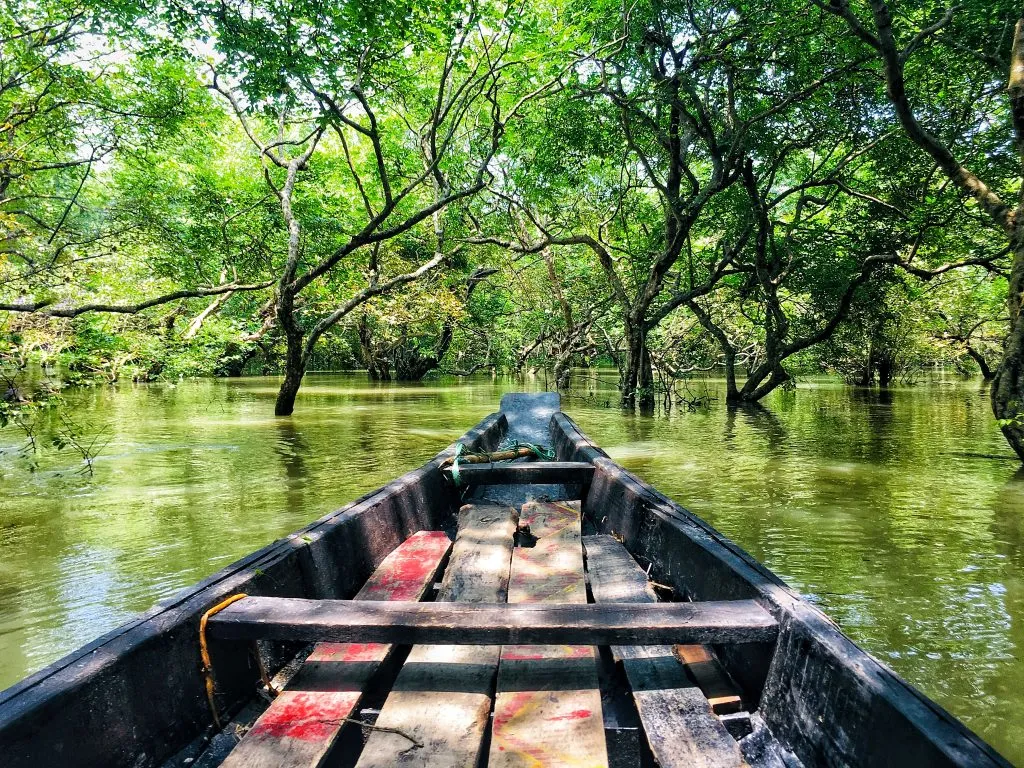
The Legacy: Originally part of the ancient Laur Kingdom, Sunamganj is characterized by its vast wetland ecosystems (haors) like Tanguar Haor.

Landmarks: Internationally celebrated as the cradle of Bengali mystic philosophy and folk poetry, having produced iconic bard legends such as Hason Raja, Shah Abdul Karim, and Radharaman Dutta.
4. Habiganj (The Gateway of Heritage & Industry)

The Legacy: Historically part of the Syed Riasat Ali lineage and the Tarap Kingdom, Habiganj links Greater Sylhet to central Bangladesh.

Landmarks: Rich in spiritual sites (such as the historic Shankarpasha Shahi Masjid) and natural beauty (such as Satchari National Park and Rema-Kalenga Reserve), Habiganj has also evolved into a major hub for modern industry and rubber gardens.

A Hidden Gem in the Northeast of Bangladesh

Sylhet is a division in northeastern Bangladesh, known for its rolling tea estates, wetlands, rivers and deep spiritual heritage. It is home to the shrine of Hazrat Shah Jalal, one of the most revered sites in Bangladesh, and to a diaspora spread across the UK, many of whom trace their family roots directly to this region.

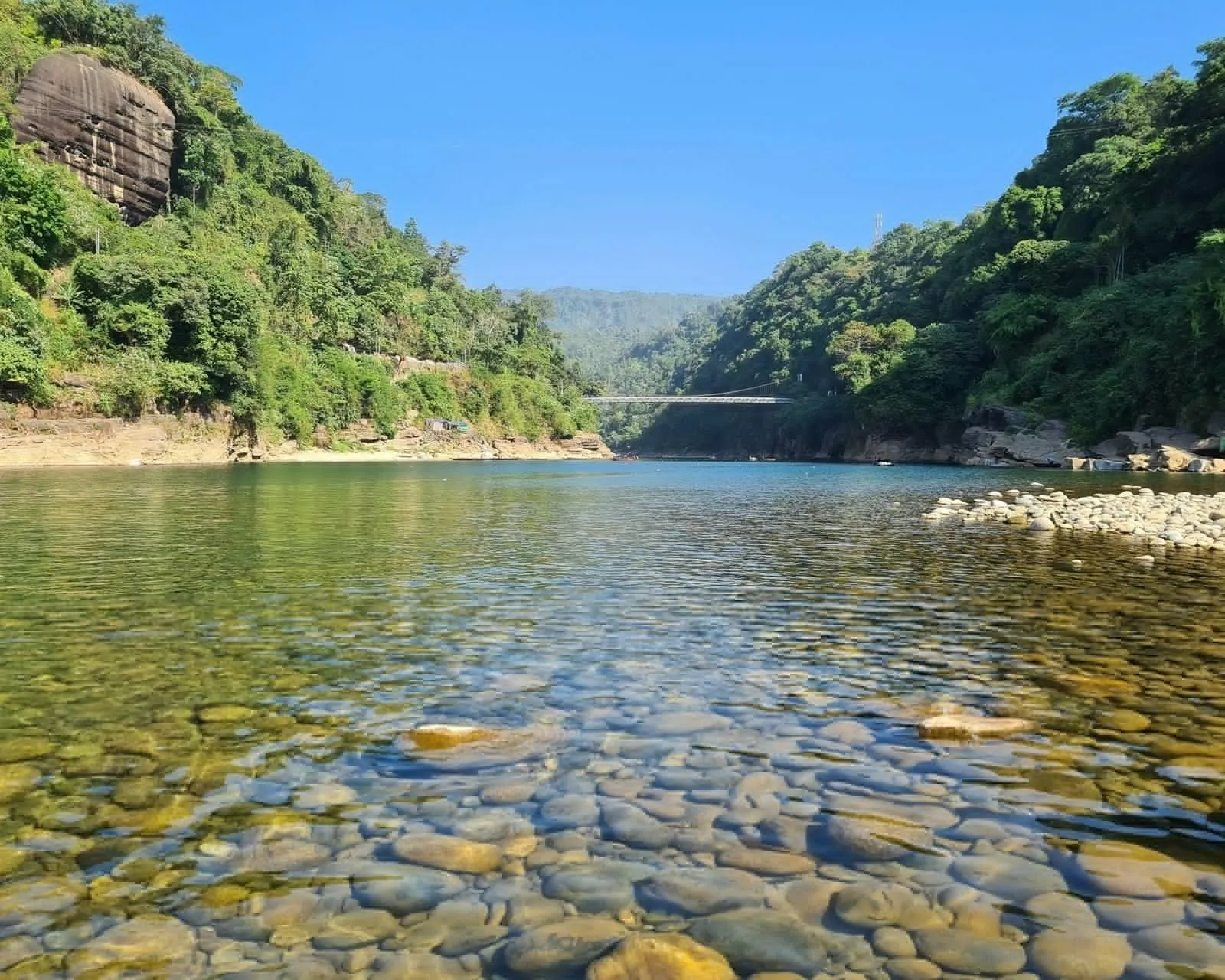
Sylhet-ratalgul
RATARGUL
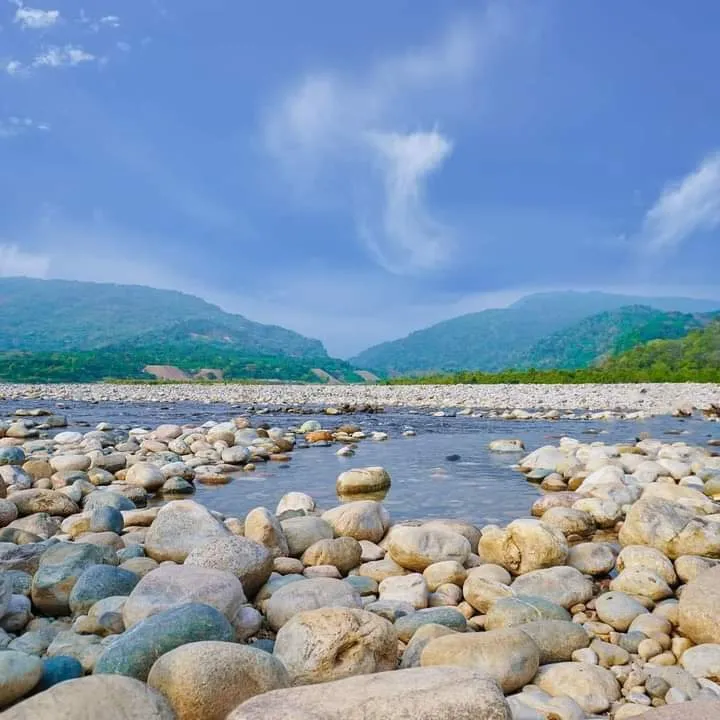
sylhet-sadapathor
SYLHET SADAPATHOR
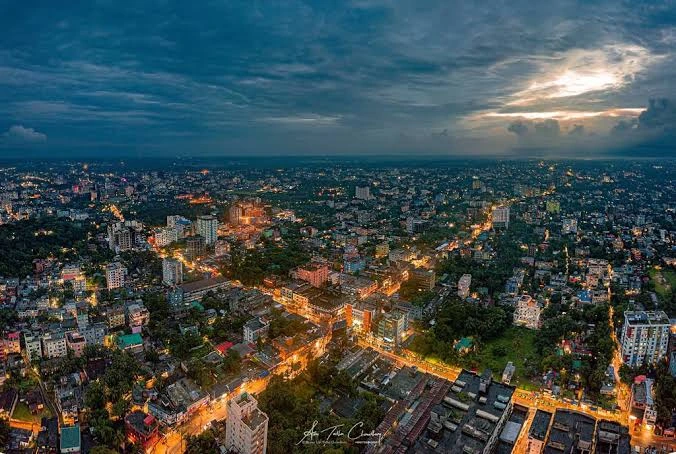
sylhet_city_sky_view
SYLHET CITY SKY VIEW
sylhet-jaflong
SYLHET JAFLONG
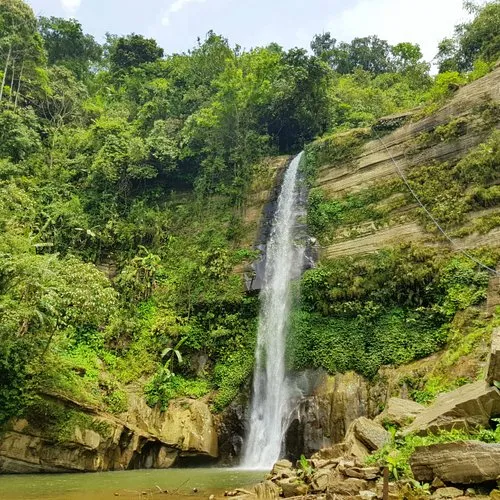
sylhet-madobkondo
SYLHET MATHODKONDO
Hazrat-Shahjalal-Mazar
Hazrat Shahjalal Mazar
sylhet stadium
SYLHET STADIUM
sylhet clock and crin bridge
SYLHET CLOCK AND KEANE BRIDGE
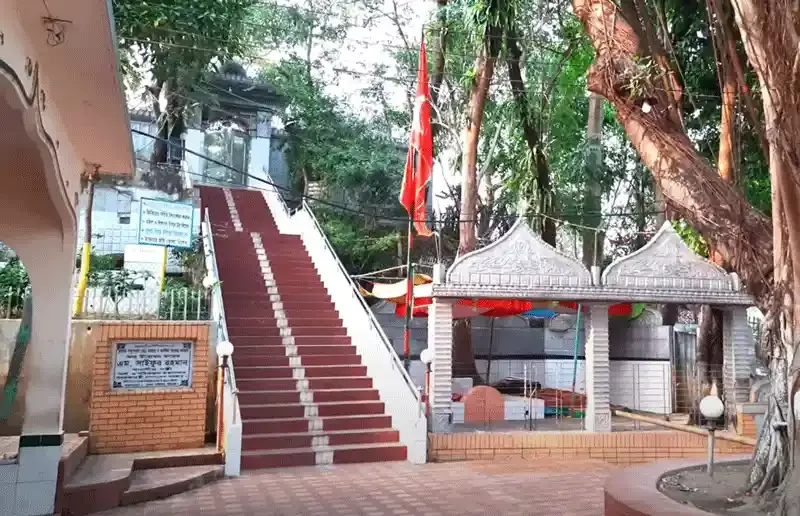
Hazrat-Shahporan-Mazar
Hazrat Shahporan Mazar
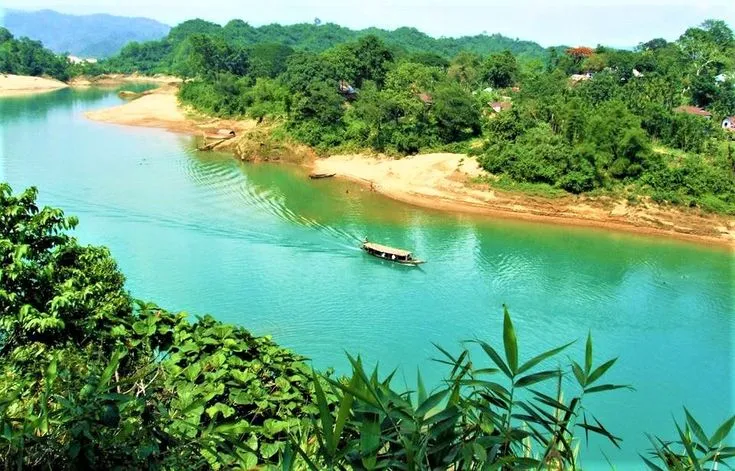
sylhet lalakhal
SYLHET LALAKHAL